Hepatotoxicity & ADME Services
Human-relevant liver safety and metabolism studies using microphysiological systems (MPS)
Predictive liver toxicity and metabolism data using multicellular human liver models that better reflect in vivo physiology than conventional in vitro assays.
Why Revivocell
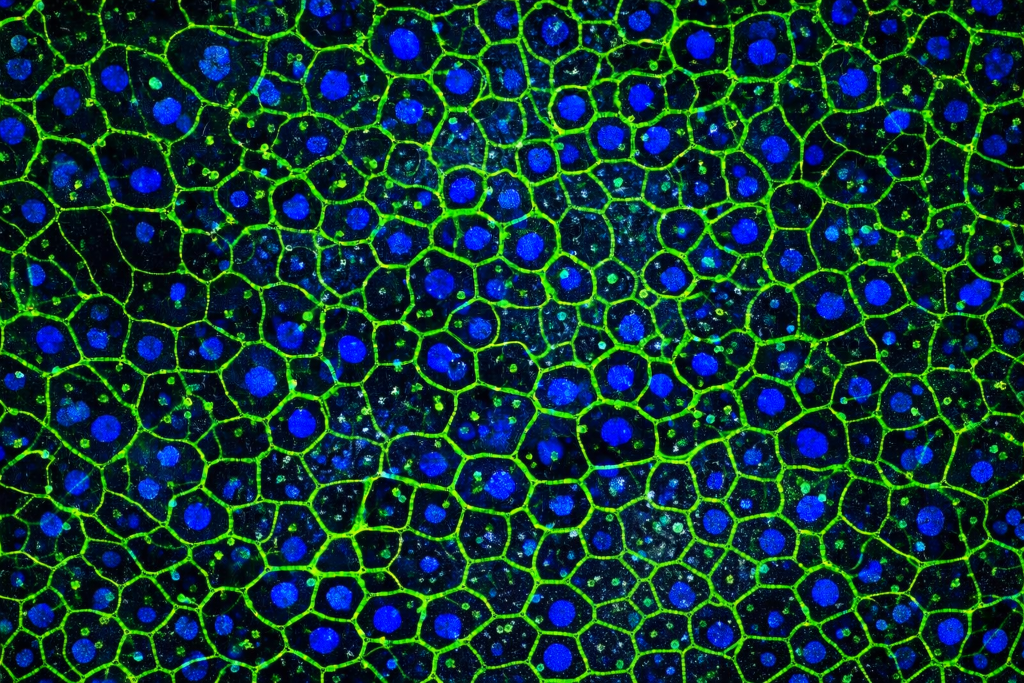
Conventional liver assays often fail to predict human hepatotoxicity and metabolism due to limited cellular complexity and non-physiological culture conditions. Revivocell's microphysiological systems are designed to overcome these limitations by recreating key aspects of human liver biology in vitro.
Multicellular human liver MPS
Co-culture of hepatocytes with non-parenchymal cells
Physiological cell–cell crosstalk
Recapitulates in vivo-like cellular interactions
Optional fluid flow
Dynamic culture conditions for enhanced relevance
Human-relevant functional readouts
Clinically translatable biomarkers
We run the study for you
Revivocell provides fully managed hepatotoxicity and ADME studies, from experimental design through to data interpretation, using our liver microphysiological systems.
- Study design and protocol definition
- Compound dosing and experimental execution
- Quality control, data analysis, and reporting
Comprehensive toxicity evaluation
Quantitative analysis
Metabolite profiling
CYP450 enzyme activity
How It Works
Introductory call
Discuss objectives and compounds
Study plan and quote
Receive detailed protocol and pricing
Experimental execution
By our scientific team
Report delivery
With data, QC, and interpretation
Who this service is for
Pharmaceutical and biotechnology companies
AI / machine-learning companies
CROs
Academic and translational research groups
Core Study Endpoints
Cytotoxicity
- ATP levels
- LDH release
Albumin and urea secretion
- Hepatocyte functionality
- Protein synthesis
Cytochrome P450 (CYP) activity
- CYP3A4, CYP2C9, CYP1A2
- Drug metabolism and clearance indicators
Optional inflammation markers and imaging-based readouts
- Cytokine release
- High-content imaging
Evidence-Based, Decision-Ready Data
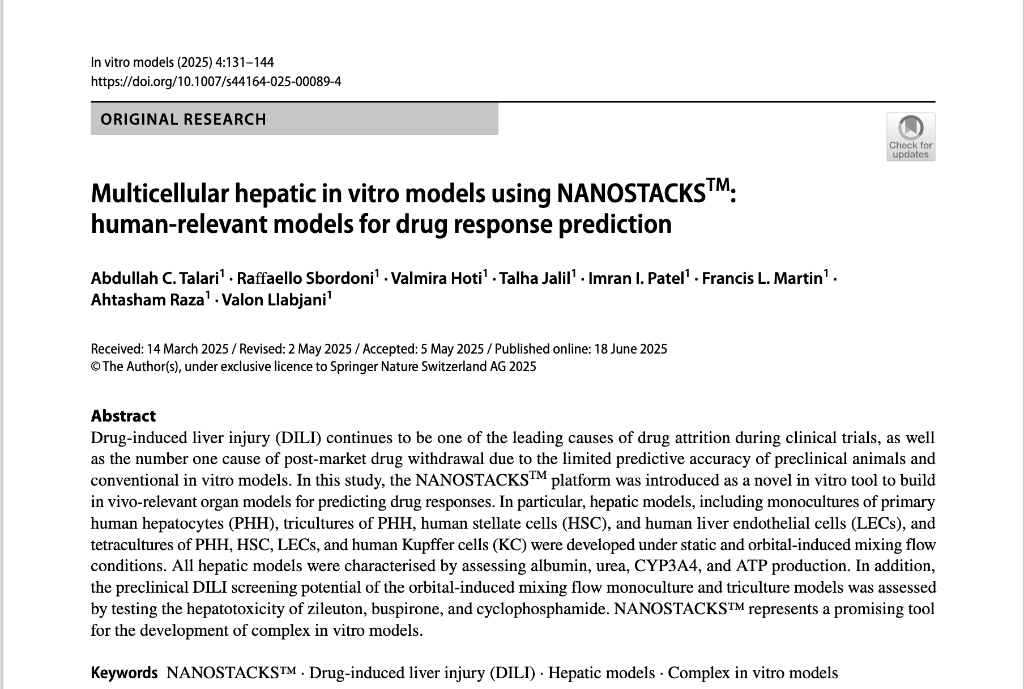
Our hepatotoxicity and ADME studies use liver microphysiological systems with demonstrated human-relevant function, giving you confidence in the biological relevance of your data.
Why our models deliver confident decisions
- Long-term hepatocyte viability (31+ days) supports chronic exposure studies
- Sustained human-relevant albumin and urea production ensures functional readouts
- Enhanced CYP450 activity under dynamic culture enables metabolic profiling
- Response to high-DILI-risk compounds demonstrated against reference benchmarks
What you receive from a Revivocell study
Comprehensive, decision-ready outputs delivered by our scientific team
Detailed study report
Full experimental protocol, raw data, statistical analysis, and quality control metrics
Quality control documentation
Cell viability, functional benchmarks, and assay performance indicators
Scientific interpretation
Expert analysis of toxicity patterns, dose-response curves, and compound-specific findings
Decision-ready outputs
Clear conclusions and recommendations to support go/no-go decisions or regulatory submissions