Multi-Organ Toxicity Testing
Predict systemic toxicity using integrated human multi-organ systems that capture organ–organ crosstalk, metabolite-driven effects, and downstream secondary toxicity.
Includes advanced applications such as connected barrier modeling across intestinal, blood–brain, and CSF systems.

Why Multi-Organ Toxicity Testing
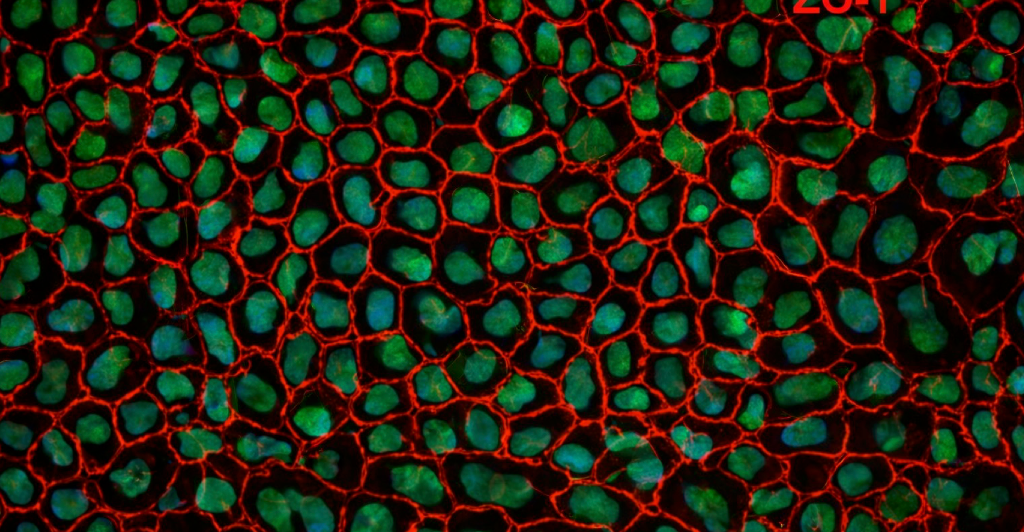
Conventional single-organ models fail to capture systemic toxicity, secondary organ injury, and metabolite-driven effects.
Many safety liabilities arise from inter-organ communication and circulating metabolites — not direct toxicity to a single tissue.
Revivocell's multi-organ systems enable controlled biochemical communication between human tissues, allowing mechanistic investigation of systemic drug effects under defined conditions.
We run the study for you
Fully managed multi-organ toxicity studies from design to interpretation.
- Study design and organ-axis selection
- Compound dosing and experimental execution
- Quality control, data analysis, and interpretation
- Comprehensive systemic toxicity evaluation
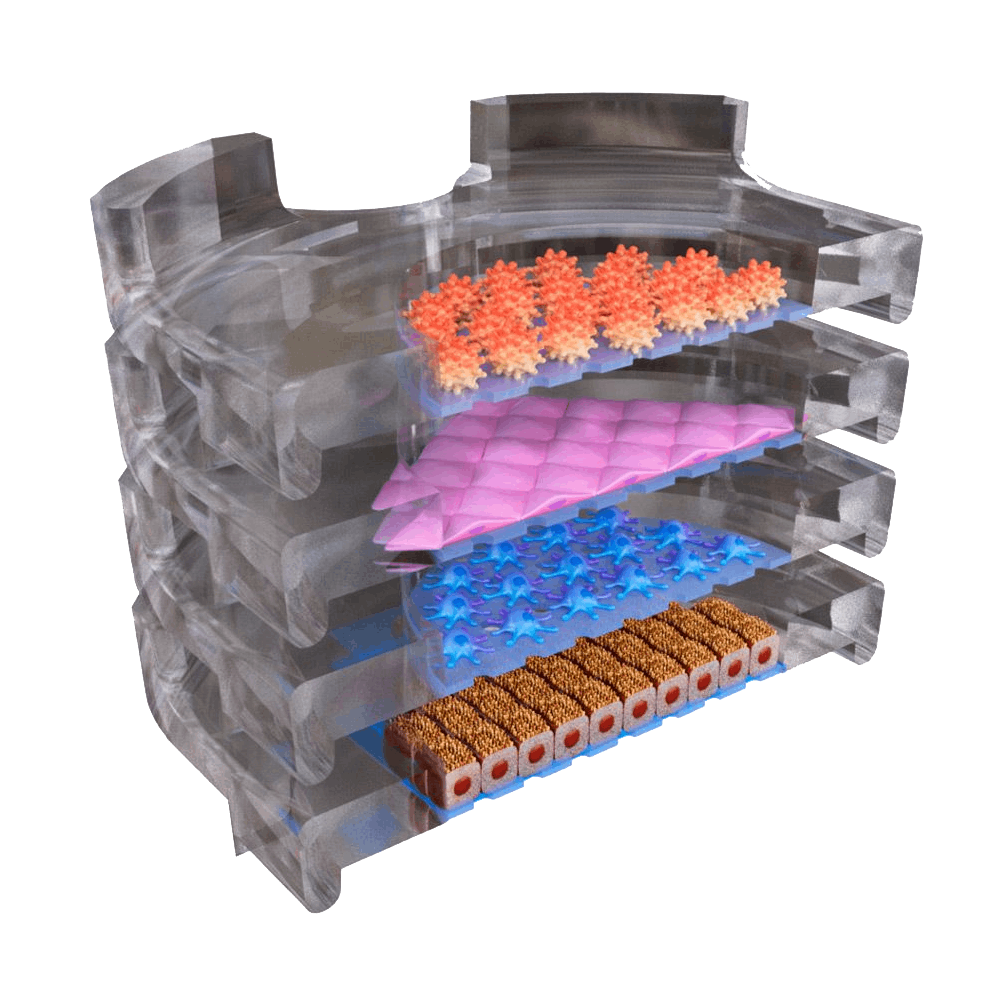
Multi-Organ Microphysiological System Platform — modular NANOSTACKS™ architecture enabling independent organ compartments with controlled biochemical communication.
Supported Organ Axes
Configure organ-specific systems to model defined biological pathways and interactions.
Click on each configuration to explore its specific applications
Advanced Applications Enabled by Multi-Organ Systems
Leverage integrated organ systems to study complex biological processes beyond single-organ models
Connected Barrier Modeling (IB–BBB–BCSFB)
Model sequential drug transport across intestinal, blood–brain, and CSF barriers within a unified human multi-organ system.
- Sequential barrier transport (gut → blood → brain)
- Integrated metabolism and permeability readouts
- CNS exposure prediction in human-relevant systems
Evidence-Based, Decision-Ready Data
Our multi-organ toxicity studies use microphysiological systems with demonstrated human-relevant function, providing confidence in the biological relevance of systemic safety data.
Why our models deliver confident decisions
- Controlled organ–organ biochemical communication
- Human-relevant metabolism and downstream effects
- Mechanistic insight into secondary and off-target toxicity
- Structured, multiparametric datasets for advanced analysis
How It Works
Introductory Call
Discuss organ axes, hypotheses, and decision points
Study Plan & Quote
Receive a detailed protocol and pricing
Experimental Execution
Performed by our scientific team
Report Delivery
With data, QC, and interpretation
Who this service is for
- Pharmaceutical and biotechnology companies
- AI / machine-learning companies
- CROs
- Academic and translational research groups
Core Study Endpoints
Organ-specific biomarkers
Liver function, neural activity, metabolic capacity
Metabolite production
Quantitative profiling via HPLC-MS
What you receive
Comprehensive, decision-ready outputs:
Detailed study report
Full experimental protocol, raw data, statistical analysis, and quality control metrics
Quality control documentation
Cell viability, functional benchmarks, and assay performance indicators
Scientific interpretation
Expert analysis of organ-organ interactions, dose-response patterns, and compound-specific findings
Decision-ready outputs
Clear conclusions and recommendations to support go/no-go decisions or regulatory submissions